Understanding Produk: A Comprehensive Definition
The concept of produk serves as a cornerstone in both commerce and consumer satisfaction, embodying everything from tangible goods to intangible services that meet market demands. In essence, a produk can be defined as any item or service offered to consumers to fulfill their needs or desires. Understanding this definition is crucial for businesses looking to navigate the competitive landscape effectively. When exploring options, Produk can provide comprehensive insights into what is available in the marketplace.
What Constitutes a Produk?
A produk encompasses various forms, including physical items, digital services, and experiences. The primary distinction lies in whether the offering is tangible or intangible. Tangible products are those that consumers can touch and see, such as clothing or electronics, whereas intangible products include services like education or consultancy. According to marketing theories, a produk consists of essential elements, such as the core benefit that answers consumer needs, the actual product with features and quality, and the augmented product that includes additional services and benefits.
Types of Produk in the Marketplace
In the marketplace, produk can be categorized in multiple ways - broadly, they can be divided into consumer products and industrial products. Consumer products are designed for personal use and can further be classified into convenience goods, shopping goods, specialty goods, and unsought goods. On the other hand, industrial products are utilized in the production of other goods or services. Understanding these categories helps businesses target the right audience and tailor their marketing strategies accordingly.
The Role of Produk in Consumer Satisfaction
Produk plays a pivotal role in consumer satisfaction by addressing specific needs and desires. A well-defined produk not only meets the immediate needs of consumers but also establishes emotional connections that foster brand loyalty. Companies that excel in understanding their target audience and creating products that resonate with them often see higher satisfaction rates, leading to repeat purchases and positive word-of-mouth marketing.
Exploring the Unique Features of Indonesian Produk
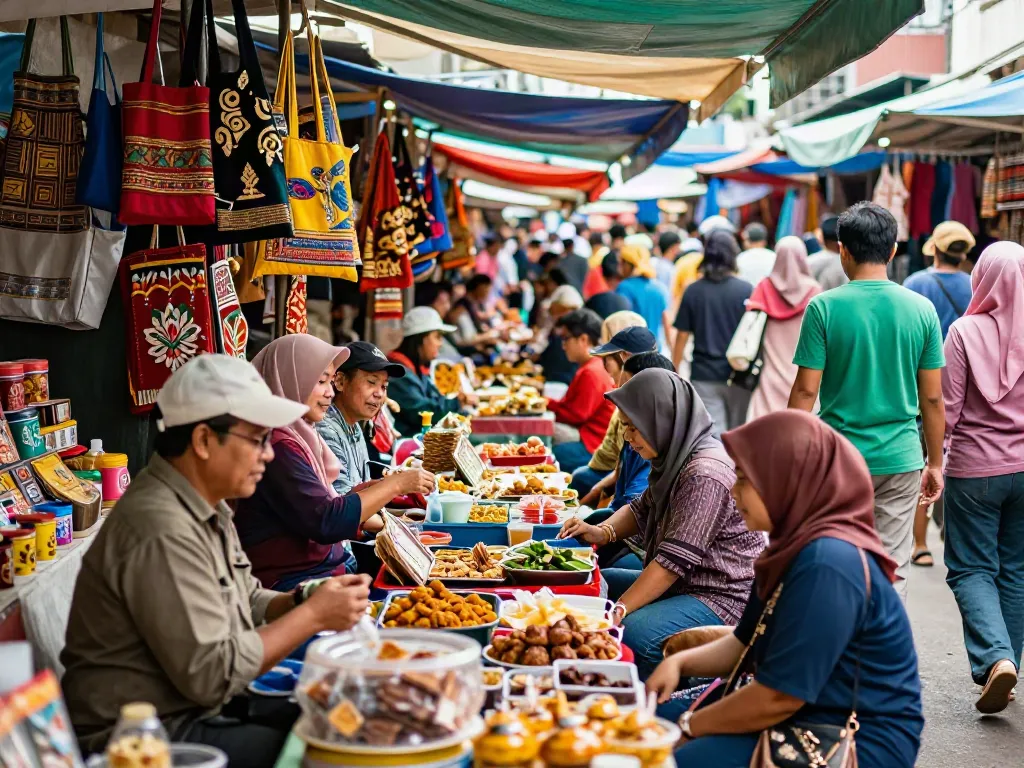
Indonesia's diverse cultural landscape profoundly influences its produk offerings, making them unique and rich in heritage. The country's local artisans produce crafts and goods that reflect the traditions and practices of various regions, often integrating local materials and techniques. This cultural significance adds a layer of value that consumers increasingly appreciate, especially in an era where authenticity is highly sought after.
Cultural Significance of Local Produk
Local produk often embodies the cultural narrative of a region, telling stories through design and functionality. For instance, Batik textiles from Java not only serve as clothing but also as symbols of identity. Consumers are often drawn to these products not just for their utility but for their cultural significance. Understanding this connection can help businesses market their products more effectively, appealing to a global audience's growing interest in cultural heritage.
Handcrafted vs. Mass-Produced Produk
Handcrafted produk typically offers higher quality and uniqueness compared to mass-produced items. The meticulous attention to detail in handmade goods often results in products that stand out in the marketplace. However, mass-produced items can deliver cost efficiency and scalability. Consumers' preferences typically vary, with some valuing the artistry of handcrafted goods while others prioritize affordability and availability.
Impact of Community on Produk Offerings
The community plays a crucial role in shaping the types of produk offered in Indonesia. Local cooperatives and artisan groups are often at the forefront of promoting traditional craft skills while adapting to contemporary market demands. This community-based approach not only sustains traditional crafts but also empowers local economies, creating a symbiotic relationship between artisans and consumers.
Strategies for Identifying Quality Produk
As the marketplace becomes increasingly saturated, consumers face challenges in identifying quality produk. To facilitate better purchasing decisions, it's essential to understand key characteristics that define high-quality items. These characteristics include craftsmanship, materials used, and adherence to ethical production standards.
Key Characteristics of Authentic Produk
Authentic products often exhibit distinct signs of quality, such as robust construction, premium materials, and a transparent supply chain. Consumers should look for certifications or labels that verify authenticity, especially in sectors like food and fashion. Additionally, understanding the story behind a product, such as its origin and the craftsmanship involved, can significantly enhance the perceived value.
Understanding Pricing: Value vs. Cost
Consumers often conflate price with quality, but it's important to differentiate between cost and value. A higher price does not always equate to superior quality; similarly, a lower price does not necessarily indicate inferior products. Evaluating the value of a produk requires considering its benefits relative to the price paid, emphasizing the importance of informed purchasing decisions.
Tips for Assessing Produk Quality
To ensure you are purchasing high-quality produk, consider the following tips:
- Research brand reputation and customer reviews.
- Assess materials and craftsmanship.
- Check for warranties or satisfaction guarantees.
- Compare products within similar price ranges.
Applying these strategies can significantly enhance the likelihood of acquiring quality products that meet expectations.
Challenges in the Produk Marketplace
The ever-evolving landscape of the produk marketplace presents several challenges for both consumers and businesses. These challenges include misinformation, quality inconsistencies, and accessibility issues that can hinder the purchasing process.
Common Misconceptions About Produk
One significant misconception about produk is that all items within a specific category are of equivalent quality. This is not the case; variations in production standards, sourcing materials, and craftsmanship can lead to significant discrepancies in quality. Educating consumers about these differences is crucial for making informed decisions.
Potential Pitfalls for Shoppers
Shoppers often fall into the trap of making impulse purchases based on marketing or attractive packaging. To avoid this, consumers should develop a checklist of factors to consider before buying, such as researched quality, price comparisons, and alignment with personal values.
Overcoming Barriers to Accessing Quality Produk
Accessing quality produk can be challenging due to geographical limitations, especially in rural areas. Businesses can help by creating more accessible distribution channels and enhancing online presence, ensuring that consumers can obtain quality products regardless of their location.
The Future of Produk in 2026 and Beyond
As we look toward 2026, the produk marketplace is poised for significant changes influenced by technology and shifting consumer preferences. Businesses are required to adapt to these changes to remain competitive and relevant in their respective industries.
Emerging Trends in the Produk Marketplace
Future trends indicate a strong inclination towards sustainability, with consumers increasingly prioritizing eco-friendly products. Businesses that embrace sustainable practices, from sourcing to production, are likely to attract a more environmentally conscious consumer base.
Impact of Technology on Produk Accessibility
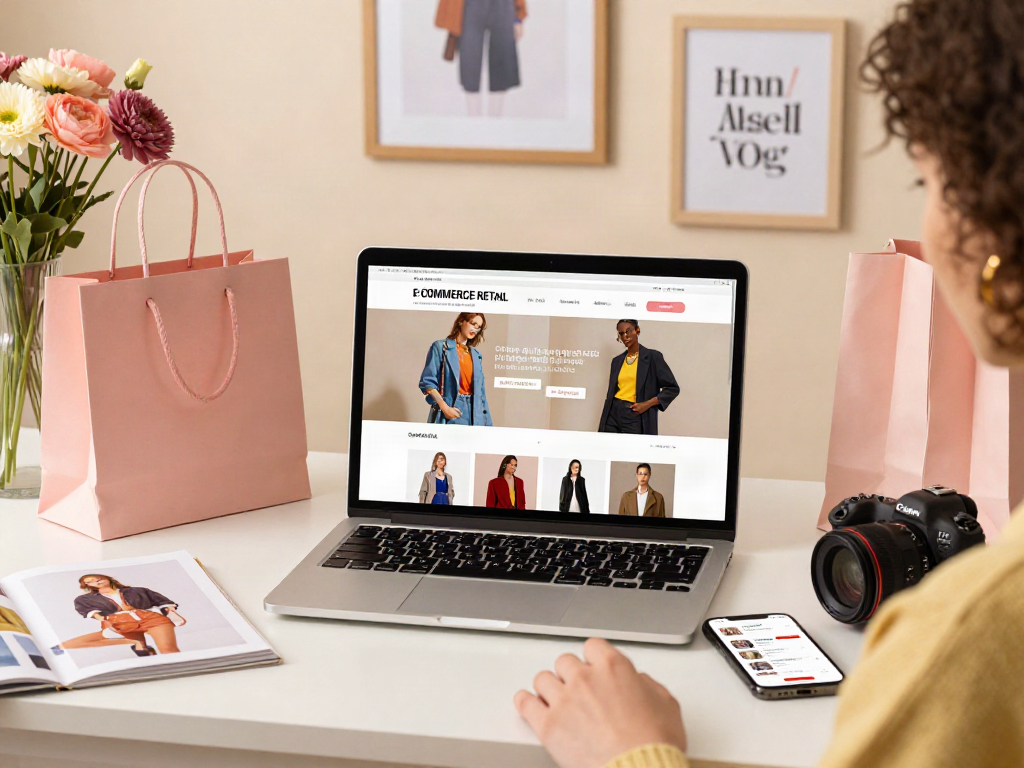
Technology is already reshaping how consumers access and purchase products. With the rise of e-commerce and mobile shopping, businesses must optimize their online presence to enhance user experience and exploit new distribution channels effectively. The incorporation of AI and data analytics can also provide insights into consumer behavior, allowing businesses to tailor their offerings more precisely.
Predictions for Consumer Preferences in 2026
Looking ahead, consumer preferences are expected to continue evolving, with a greater emphasis on personalization and ethical consumption. Brands that can successfully cater to these demands by offering customizable products and transparent business practices will likely gain a competitive edge.
What types of Produk are most popular?
Popular types of produk vary based on trends and consumer needs, but categories like sustainable goods, tech gadgets, and artisanal crafts are consistently in demand.
How can I ensure the Produk I choose is high quality?
To ensure high quality, look for reputable brands, read reviews, and check for quality certifications.
Where can I find unique Produk in Indonesia?
Unique produk can be found at local markets, artisan shops, and online platforms that specialize in handmade or traditional goods.
What factors affect the price of Produk?
Pricing is influenced by production costs, material quality, brand reputation, and market demand among other factors.
Are local Produk more sustainable than imported products?
Local produk often promote sustainability by reducing transport emissions and supporting local economies, making them a preferable choice for eco-conscious consumers.